

Article: How to Make Cold Brew at Home

How to Make Cold Brew at Home
Cold brew is coarse-ground coffee steeped in cold water for 12 to 18 hours, then filtered. There is no heat and no equipment requirement beyond a jar and something to strain with. Use a 1:8 ratio for concentrate — 125 g of coffee to 1,000 g of water — and dilute it 1:1 with water or milk to serve. For something you can pour straight over ice, go to 1:15 instead.
The long, cold steep is what makes it taste different from iced coffee. Cold water extracts far less of the bitter and acidic compounds that hot water pulls out, so you get a rounder, sweeter, chocolatey cup with very little sharpness.
Grind matters more than anything else here. Pick a coffee from the coffee range with the Cold Brew grind option selected and you will get an extra-coarse grind that will not turn to sludge over eighteen hours. Our El Jefe blend — dark chocolate, sugarcane, and walnut — is the one to start with, for a straightforward reason: it is the blend we use for the cold brew we serve in the cafés.
What you need
- Coarsely ground coffee, extra coarse — cracked-peppercorn texture
- Cold or room-temperature filtered water
- A vessel: a mason jar, a French press, or a purpose-built cold brew bottle
- A way to filter: a paper filter, a fine mesh, or the bottle's own basket
- Fridge space and patience
A dedicated brewer is not required, but it removes the messy part. The Hario Cold Brew Bottle ($34.50) holds the grounds in a removable mesh basket that lifts straight out when the steep is done — no straining, no coffee silt, and the bottle goes back in the fridge as the serving carafe. It is the easiest version of this for anyone who makes cold brew more than occasionally.
The method, step by step
1. Grind extra coarse
Coarser than French press. Fine grounds over-extract during a long steep and are miserable to filter — they slip through mesh and cloud the finished brew. If you are grinding at home, this is the coarsest setting you will ever use. If you are ordering from us, choose Cold Brew at checkout and it arrives correct.
2. Weigh the coffee and the water
For concentrate: 125 g coffee to 1,000 g water (1:8). For ready to drink: 67 g coffee to 1,000 g water (1:15). Scale to whatever your vessel holds. Water weighs one gram per millilitre, so 1,000 ml is 1,000 g and the maths stays easy.
3. Combine and make sure everything is wet
Add the grounds first, then pour the water over them. Stir gently — dry pockets are the most common reason a batch comes out weak. Give it thirty seconds of attention and then leave it alone.
4. Steep 12 to 18 hours
In the fridge is best. Twelve hours gives a lighter, brighter result; eighteen gives a deeper, heavier one. Past about twenty hours it starts picking up woody, dull flavours, so set a reminder rather than leaving it a full day. Room temperature works too and extracts faster — take two to four hours off the range if you go that route.
5. Filter
Lift out the basket, press the French press plunger, or pour through a paper filter. Do not squeeze or press the grounds hard; that is where the bitterness you spent eighteen hours avoiding comes from.
6. Store and serve
Keep it sealed in the fridge. Concentrate holds up well for about two weeks; already-diluted cold brew is best within a week. Serve concentrate over ice at 1:1 with water or milk, then adjust to taste — some people prefer 1:2 with milk.
Which coffee to use
Cold brew flatters chocolate, caramel, and nut flavours and mutes fruit and acidity. That points you toward the medium and medium-dark end of the range.
- El Jefe (medium-dark; dark chocolate, sugarcane, walnut) — the default. Rich, low-acid, and unmistakably cold brew.
- Hill City (medium; pear, grapefruit zest, honey) — a lighter, cleaner cold brew with a bit of lift, if the classic version feels too heavy.
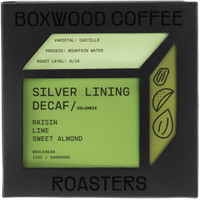
- Silver Lining Decaf (medium-dark; raisin, lime, sweet almond) — decaffeinated by Mountain Water Process, so no chemical solvents. A genuinely good afternoon batch.
You can cold brew a bright light roast, and some people love the result. Just know that you are paying for delicate florals and citrus that a cold steep will largely flatten. If you want to understand why, the light roast versus dark roast guide covers what changes in the bean.
Fixing a batch that came out wrong
Weak and watery
Either the ratio was too lean or the grounds were not fully saturated. Move from 1:15 toward 1:10, stir properly at the start, and check that your grind is not so coarse it is nearly whole bean.
Bitter or muddy
Grind too fine, steep too long, or you pressed the grounds during filtering. Coarsen the grind first — it is almost always the grind.
Sour or hollow
Under-extracted. Add two to four hours of steep time, or move the ratio stronger.
Cloudy with silt at the bottom
Fine particles got through. Filter a second time through a paper filter, and coarsen the grind for the next batch.
Cold brew is not iced coffee
Iced coffee is brewed hot and chilled, so it keeps the acidity and aromatics of hot brewing — brighter, more complex, and more fragile. Cold brew is extracted cold from the start: smoother, sweeter, lower in perceived acidity, and much better suited to milk and to sitting in the fridge for a week.
Neither is better. They are different drinks, and knowing which one you actually want saves a lot of disappointment.
Every coffee we sell is roasted to order in Westfield, New Jersey, in 12oz, 1kg, and 5lb bags, ground to the option you choose. We roast Monday through Thursday, and our core coffees ordered before noon ship the same day. If you are grinding at home, the grind size chart shows exactly how coarse extra coarse should be, and the ratio chart covers every other brewer in the house.